Trends We Are Seeing in a Swing Tag
In today’s competitive retail environment, a swing tag is no longer just a label—it’s an extension of the brand story. At genesis, we’ve seen the humble swing tag evolve from a simple product identifier into a powerful marketing tool that reflects quality, sustainability, and innovation. Here are the key trends shaping the future of swing tags in 2025.
1. Sustainability Takes Centre Stage
Sustainability is no longer optional—it’s expected. Brands are increasingly turning to eco-friendly materials like recycled paper, FSC-certified boards, and biodegradable strings or fasteners. We’re also seeing a rise in uncoated and kraft papers that showcase a natural, raw aesthetic while reducing environmental impact. Water-based inks and minimal finishes are replacing plastic lamination and foil, allowing swing tags to be both beautiful and responsible. For brands, the sustainable swing tag sends a strong message: we care about the planet as much as our products.
2. Minimalist and Clean Design
Less is more when it comes to design. Clean lines, simple typography, and subtle colour palettes are trending across industries—from fashion to food. Consumers are drawn to tags that communicate clarity and confidence without clutter. Minimalism allows the brand name and logo to take centre stage, while tactile finishes like embossing or spot varnish add sophistication without overwhelming the design. This pared-back approach not only looks premium but also aligns with the sustainability trend by reducing ink usage and production waste.
3. Interactive and Smart Tags
Technology is revolutionising packaging, and swing tags are no exception. QR codes, NFC chips, and AR (augmented reality) elements are being integrated into designs to create interactive customer experiences. A simple scan can reveal product details, brand stories, styling tips, or even exclusive offers—bridging the gap between physical and digital retail. Smart tags also allow brands to track engagement, providing valuable insights into customer behaviour and preferences.
4. Texture and Tactility
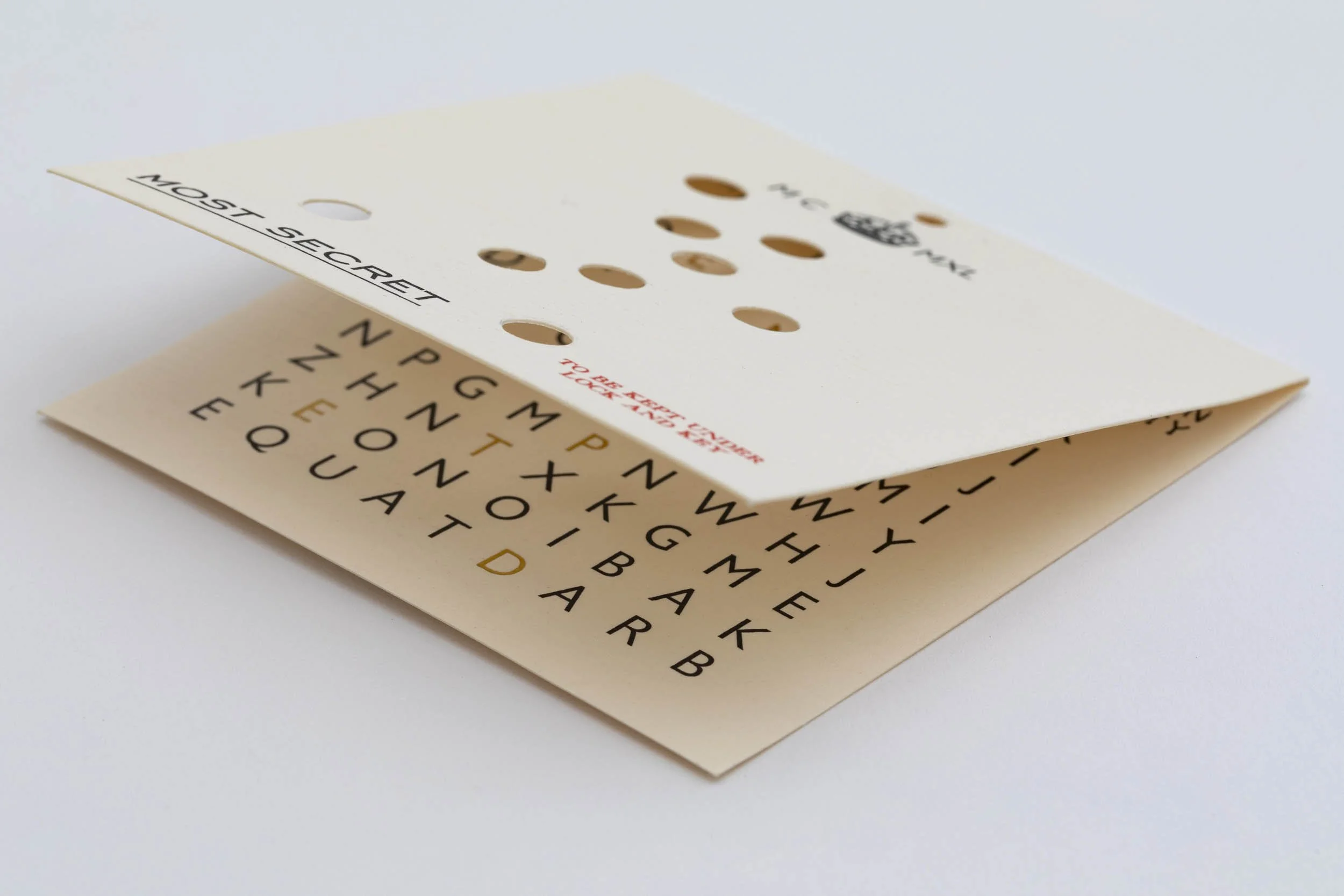
In an increasingly digital world, touch has become a powerful differentiator. Brands are investing in premium finishes that engage the senses—think soft-touch laminates, embossed logos, textured papers, or layered materials. These tactile elements convey quality and craftsmanship, helping customers form a deeper emotional connection with the product. At genesis, we’ve noticed a growing demand for mixed-material swing tags that combine paper with fabric or metal components for a distinctive, high-end look.
5. Personalisation and Limited Editions
Personalised packaging continues to drive brand loyalty and excitement. Variable printing allows for unique swing tags that feature names, serial numbers, or limited-edition designs. This approach works particularly well for collaborations or seasonal collections, creating a sense of exclusivity and collectability. Personalisation helps brands build stronger connections with their customers—because when something feels special, it’s remembered.
The Future of Swing Tags
The swing tag may be small, but its impact is mighty. From sustainability to smart technology, the trends we’re seeing reflect a broader shift towards conscious design and meaningful storytelling. At genesis, we’re proud to help brands bring these innovations to life—creating swing tags that don’t just hang from a product, but hang on in the minds of consumers.
📞 Get in touch: +44(0)1943 870558
📧 Email us: Sales@genesislabels.co.uk
🌍 Learn more: genesislabelsandpackaging.co.uk